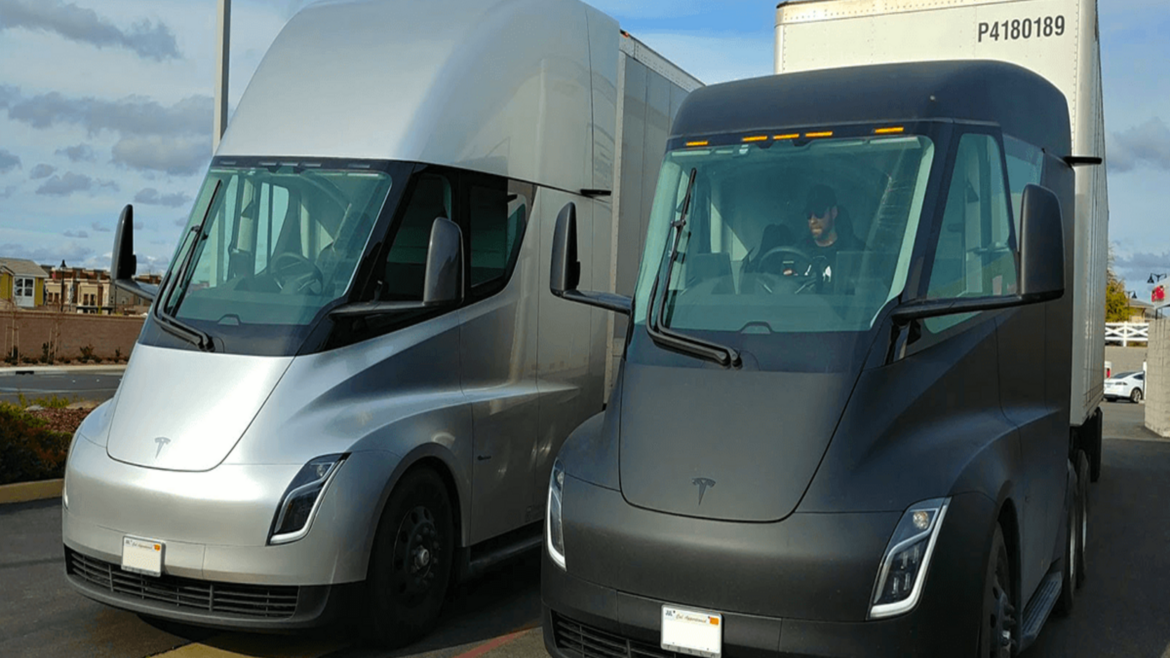
The U.S. trucking industry, responsible for moving more than 70% of all freight in the country, has long been a pillar of economic growth and development. However, it has also been a significant contributor to carbon emissions. As environmental concerns continue to gain traction, the trucking industry faces increasing pressure to adopt greener and more sustainable practices. One promising solution…
In the fast-paced world of trucking, staying efficient, organized, and profitable is essential. With increasing demand for timely deliveries and reliable service, dispatch companies have become a crucial component in helping trucking businesses, particularly owner-operators and small fleets, stay competitive. These companies serve as the backbone of trucking operations, coordinating logistics and ensuring that drivers can focus on the road…
For owner-operators in the trucking industry, navigating the complex world of insurance is not just a legal requirement—it’s essential for protecting your business. Trucking insurance safeguards against a variety of risks, from accidents to cargo loss, ensuring that your operation can keep running smoothly even when the unexpected happens. However, with so many different types of coverage available, knowing which…
Fuel is one of the largest expenses for any trucking company, representing up to 40% of total operating costs for many carriers. As a result, fluctuations in fuel prices have a direct and significant impact on trucking profits. Whether prices spike or fall, trucking companies must carefully manage their fuel consumption, contracts, and pricing strategies to stay profitable in an…
In December 2017, the Federal Motor Carrier Safety Administration (FMCSA) officially implemented the Electronic Logging Device (ELD) mandate, transforming how the U.S. trucking industry operates. The mandate requires commercial drivers to use electronic logging devices to record their hours of service (HOS), replacing the paper logs that were traditionally used. The introduction of ELDs was aimed at improving road safety…
The trucking industry is the backbone of the U.S. economy, responsible for moving over 70% of the nation’s freight. Despite its critical role, the industry faces a significant and persistent challenge: a severe driver shortage. According to the American Trucking Associations (ATA), the shortage of drivers could reach 80,000 in 2023, with the potential to grow even more in the…
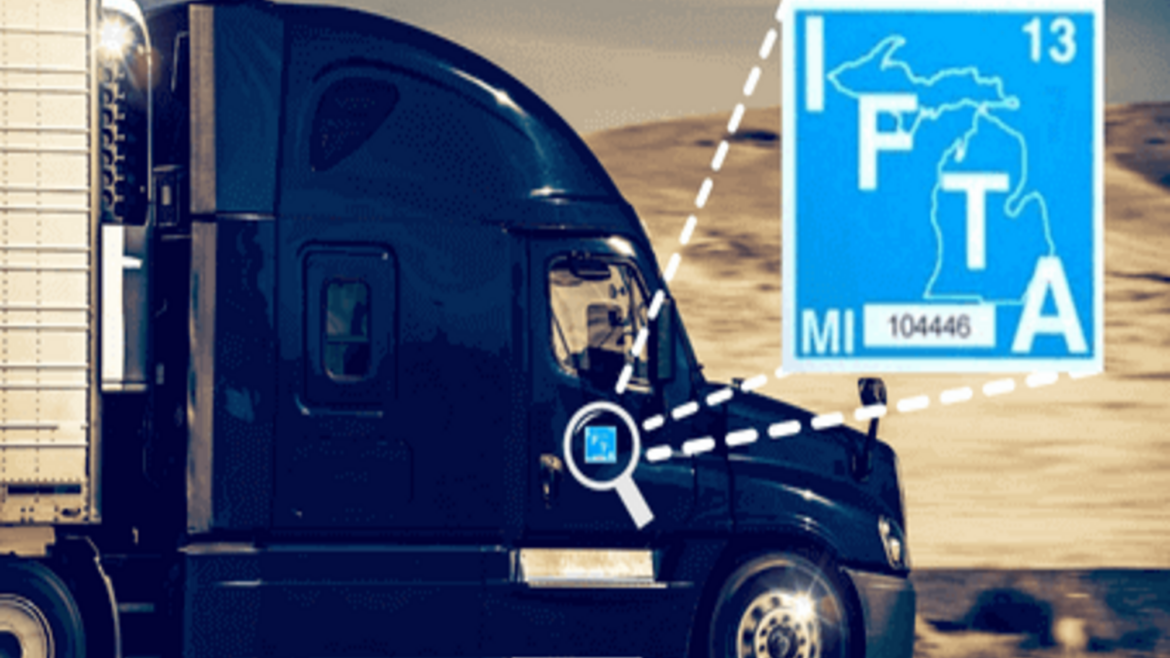
The International Fuel Tax Agreement (IFTA) is a cooperative agreement among the contiguous 48 U.S. states and 10 Canadian provinces. It simplifies the reporting of fuel use taxes by allowing carriers to file a single quarterly fuel tax report that covers all member jurisdictions in which they operate. Without IFTA, carriers would have to file separate fuel tax reports for…
In the trucking industry, cash flow is king. Truckers often face long payment cycles, sometimes waiting 30, 60, or even 90 days to receive payment for completed jobs. This delay can create significant financial strain, especially for small trucking companies and owner-operators. One effective solution to maintain a healthy cash flow is freight factoring. This article explores what freight factoring…
While many people associate the trucking industry primarily with driving, there is a vast array of career opportunities available beyond the driver’s seat. The trucking sector is a critical component of the global economy, facilitating the movement of goods and services across vast distances. As such, it requires a diverse range of professionals to ensure its operations run smoothly. This…
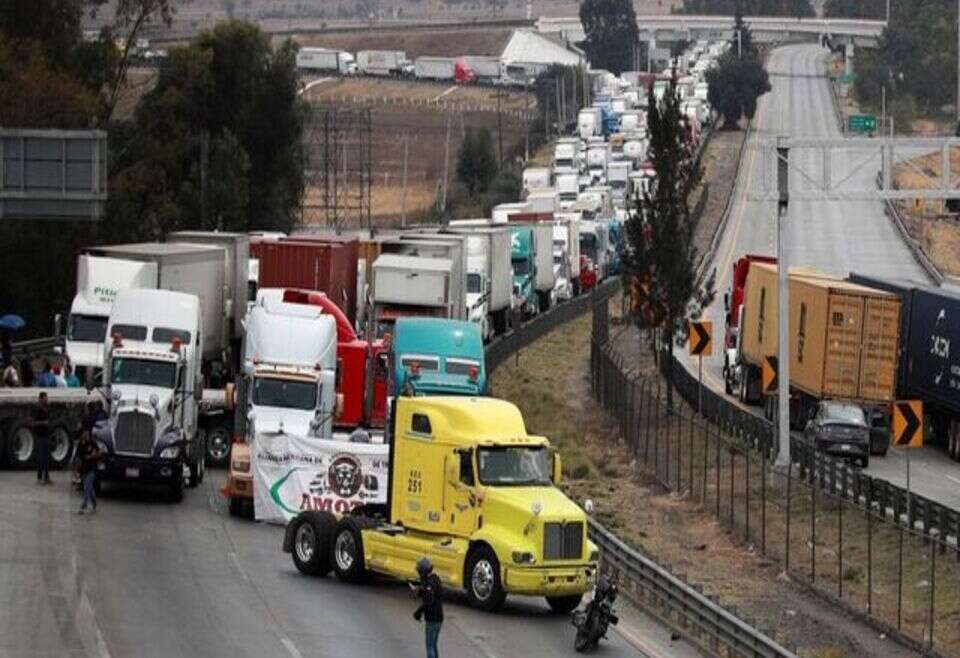
Ongoing supply chain challenges, including port congestion and material shortages, are affecting freight movement and delivery times, prompting the need for improved logistics planning. Recent news highlights several ongoing supply chain disruptions. A significant strike by dockworkers along the U.S. East and Gulf coasts began on October 1, 2024, potentially leading to shortages and higher prices during the holiday season…